
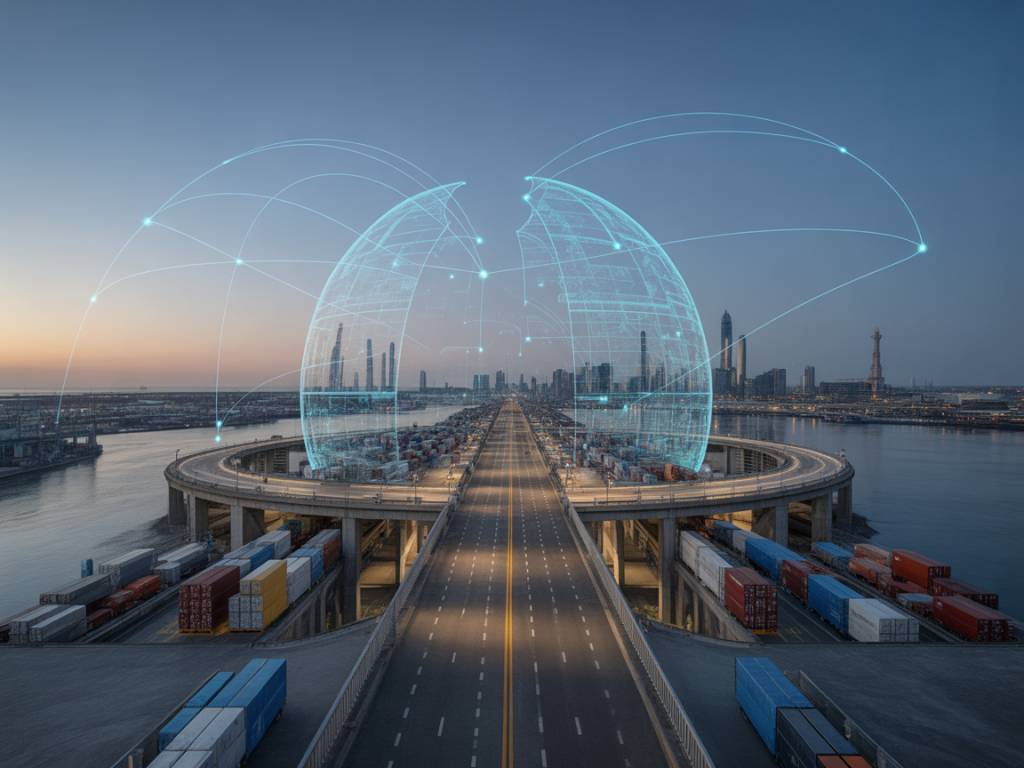
Leveraging Digital Twin Technology to Optimize End-to-End Supply Chain Visibility
Understanding Digital Twin Technology in the Context of Supply Chains
As global supply chains become increasingly complex and interconnected, businesses are seeking more advanced tools to enhance visibility, flexibility, and operational efficiency. One such innovation transforming the logistics and packaging sector is digital twin technology. Originally used in manufacturing and aerospace, digital twins are now being adopted in the supply chain arena to simulate, monitor, and optimize end-to-end logistics operations.
A digital twin is a virtual replica of a physical object, system, or process. In the context of supply chain management, it represents every element of the supply chain ecosystem—from demand forecasting and inventory levels to transportation routes and warehouse performance. By mirroring real-world operations in a virtual environment, organizations can gain real-time insights and predictive analytics, enabling proactive decision-making and increased resilience.
Key Benefits of Digital Twins for Supply Chain Visibility
Digital twin technology delivers substantial advantages across the logistics value chain. Enhanced visibility is one of the most sought-after benefits, allowing stakeholders to identify disruptions, optimize resources, and track products in real-time. Additional benefits include:
- Real-time monitoring: Digital twins offer live data feeds from IoT devices, providing granular visibility into asset location, condition, and performance.
- Predictive analytics: By simulating multiple supply chain scenarios, businesses can anticipate potential disruptions and adjust operations proactively.
- Improved decision-making: Managers can leverage simulations to evaluate the impact of strategic decisions such as sourcing changes, new distribution routes, or inventory policies.
- Enhanced sustainability: Companies can model carbon emissions and energy usage throughout the supply chain, helping to design greener operations and achieve ESG targets.
- Cost optimization: By identifying inefficiencies and reducing downtime, digital twins enable more cost-effective logistics and warehousing practices.
Enabling Technologies Behind Supply Chain Digital Twins
Several advanced technologies work in tandem to enable the functionality of a digital twin in the supply chain. These foundational elements include:
- Internet of Things (IoT): Sensors embedded in vehicles, containers, and warehouse equipment collect real-time data on environmental conditions, location, and movement.
- Artificial Intelligence (AI) and Machine Learning (ML): These algorithms process vast datasets to generate forecasts, optimize inventory management, and identify patterns.
- Big Data Analytics: Digital twins draw from both historical and real-time data sources to build a comprehensive model of the supply network.
- Cloud Computing: Cloud-based platforms provide the scalable computing power required to run simulations and store massive datasets.
- Blockchain: This technology adds transparency and security to records, ensuring that all transactions and changes in the supply chain are traceable and tamper-proof.
Applications Across the Supply Chain Lifecycle
The use of digital twins is revolutionizing multiple stages of the supply chain. From sourcing raw materials to final mile delivery, these applications provide end-to-end supply chain visibility.
- Sourcing and Procurement: Digital twins assess supplier performance, model alternate sourcing scenarios, and evaluate risk related to geopolitical issues or supply shortages.
- Production and Manufacturing: Virtual twins help monitor shop floor operations, identify bottlenecks, and simulate production scheduling to meet forecasted demand.
- Warehouse Management: In warehousing, digital twins model layout optimization, track inventory levels, and monitor KPIs in real time.
- Transportation and Logistics: Vehicle telematics, GPS, and route sensors feed live data into digital twins to visualize fleet operations and avoid traffic-related delays.
- Retail and Distribution: Demand forecasts are constantly revised using real-time data, helping businesses adjust stock levels across physical and e-commerce channels.
Real-World Use Cases Showcasing Impact
Major enterprises across sectors are adopting digital twin technology to optimize their supply chain operations:
- Siemens: The company uses digital twins to manage its global manufacturing supply chain, optimizing equipment uptime and reducing lead times by up to 30%.
- Unilever: The FMCG giant implemented digital twins in its factories and supply network to increase efficiency and reduce waste in operations.
- DHL: The logistics leader integrates digital twins into its warehousing operations to simulate workflows and improve labor productivity.
These success stories demonstrate that digital twins are not just a theoretical concept but a practical tool that delivers immediate, measurable results.
Challenges in Implementation and Future Outlook
While the benefits are clear, the implementation of digital twins in supply chain management is not without challenges. Initial data integration can be complex, particularly when linking legacy IT systems with modern IoT platforms. Data quality and interoperability continue to be major pain points, especially in multi-tiered supply networks.
Additionally, the cost of developing and maintaining digital twin ecosystems, including the acquisition of hardware sensors and the utilization of high-performance computing platforms, can be substantial. Cybersecurity and data privacy are also major concerns, requiring robust governance frameworks and compliance with international data standards.
Despite these hurdles, early adopters are increasingly seeing a positive return on investment. The future of digital twin technology in logistics is promising, especially as AI and IoT devices become more accessible and affordable.
Strategic Steps for Adoption
Companies interested in adopting digital twin technology for supply chain visibility should take a phased approach:
- Start with high-impact areas: Focus on pain points such as warehouse optimization or transportation tracking, where ROI can be achieved quickly.
- Build a data foundation: Ensure that data collection processes support the accuracy, timeliness, and consistency required for digital monitoring.
- Collaborate with stakeholders: Involve suppliers, logistics providers, and internal cross-functional teams to align objectives and share data models.
- Invest in training: Equip teams with the necessary digital literacy and technical skills to manage and maintain the digital twin ecosystem.
- Scale progressively: After validating outcomes in pilot projects, extend the use of digital twins to other parts of the supply chain for enterprise-wide visibility.
As supply chain complexity grows and customer expectations evolve, the role of digital twins in enabling end-to-end supply chain visibility will only intensify. For logistics and packaging professionals ready to future-proof their operations, embracing digital twin technology represents a strategic move toward greater efficiency, agility, and sustainability.
 How Generative AI Is Redefining Packaging Design and Logistics Planning for Omnichannel Retail
  How AI-Driven Demand Forecasting Is Reducing Packaging Waste and Logistics Costs for E‑Commerce Retailers
  Harnessing Predictive Analytics to Align Packaging Design with Logistics Efficiency
  Blockchain et traçabilité des emballages : sécuriser la chaîne logistique de bout en bout
  Optimizing Cold Chain Logistics with Smart Packaging Solutions
  The future of logistics: integrating AI with warehouse execution systems
  Harnessing Generative AI to Design Sustainable Packaging and Anticipate Logistics Disruptions